
Prostate Health: A Full Guide for Men
Introduction
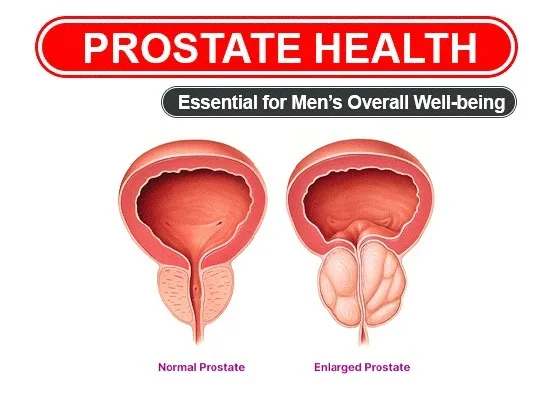
The prostate may be small—about the size of a walnut—but it plays a big role in men’s health. Located just below the bladder, it produces liquid that nourishes and protects the sperm.
As men age, the prostate suffers from several conditions, including benign prostate hyperplasia (BPH), prostatitis, and prostate cancer. For more than 50 men, the focus on prostate fashion is important for early discovery and effective treatment.
Why prostate health?
Prostate cancer can be from ignoring health:
- Difficulty urinating
- Pain in the pelvic area
- Lack of quality of life
- The risk of progression of cancer increases if the exclusive determined
Early detections through regular screening can save lives and improve treatment outcomes.
Common Prostate Conditions
- Benign Prostatic Hyperplasia (BPH)
- Non-cancerous enlargement of the prostate.
- Common after age 50.
- Symptoms: Frequent urination, vulnerable stream, difficulty starting urination.
2. Prostatitis
- Inflammation of the prostate, frequently resulting from contamination.
- Symptoms: painful urination, pelvic soreness, and flu-like signs and symptoms.
3. Prostate Cancer
- One of the most common cancers in men.
- Often symptomless in early stages—making everyday screening important.
Tips to maintain prostate health
- Get regular checks: an annual prostate exam and PSA test after the age of 50 (first high risk).
- Eat a balanced diet: Focus on fruits, vegetables, whole grains, and foods rich in omega-3 fatty acids.
- Exercise regularly: it improves circulation and hormone balance and general health.
- Stay hydrated: urinary tracts function.
- Limit alcohol and caffeine: Helps reduce urinary symptoms.
- Avoid smoking: Prostate cancer is associated with an increase in the risk of cancer.
Prostate health screening
- Digital rectal examination (DRE): The doctor checks prostate size and texture.
- Prostate-specific antigen (PSA) test: PSA is measured in the blood.
- Imaging test: MRI or ultrasound for detailed examination.
- Biopsy: If there is suspected cancer.
When should you consult your doctor?
If you notice, seek medical advice:
- Frequent or instant urination, especially at night
- Painful urination
- Blood in urine
- Difficulty starting or stopping urination
- Weakened urine flow
Questions about prostate heating
Q1: At what age should men start prostate screening?
Most men should start at 50, but those with a family history of prostate cancer or who are African American may need to start at 45.
Q2: Does a high PSA always mean cancer?
No. PSA BPH can also increase due to prostatitis or recent physical activity. Further testing is required.
Q3: Can diet prevent prostate problems?
Antioxidants and a healthy diet rich in omega-3s and fiber can help with low risks.
Q4: How many times should I check my prostate?
Usually once after 50, the frequency depends on individual risk factors.
Q5: Is prostate cancer treated?
Yes, especially when it was revealed early. Treatment options vary from active monitoring to surgery or radiation.
Conclusion
Prostate health is an essential part of men’s wellness—especially after 50.
By combining a healthy lifestyle with regular check-ups with dr zubair cheema you can reduce the risk of serious conditions and enjoy a better quality of life.